“The Cloud” Isn’t Floating, It’s Sitting On 1,000 Acres
“The Cloud” Isn’t Floating, It's Sitting On 1,000 Acres
By Toby Hayes, AICP and Andrew Moore, AICP
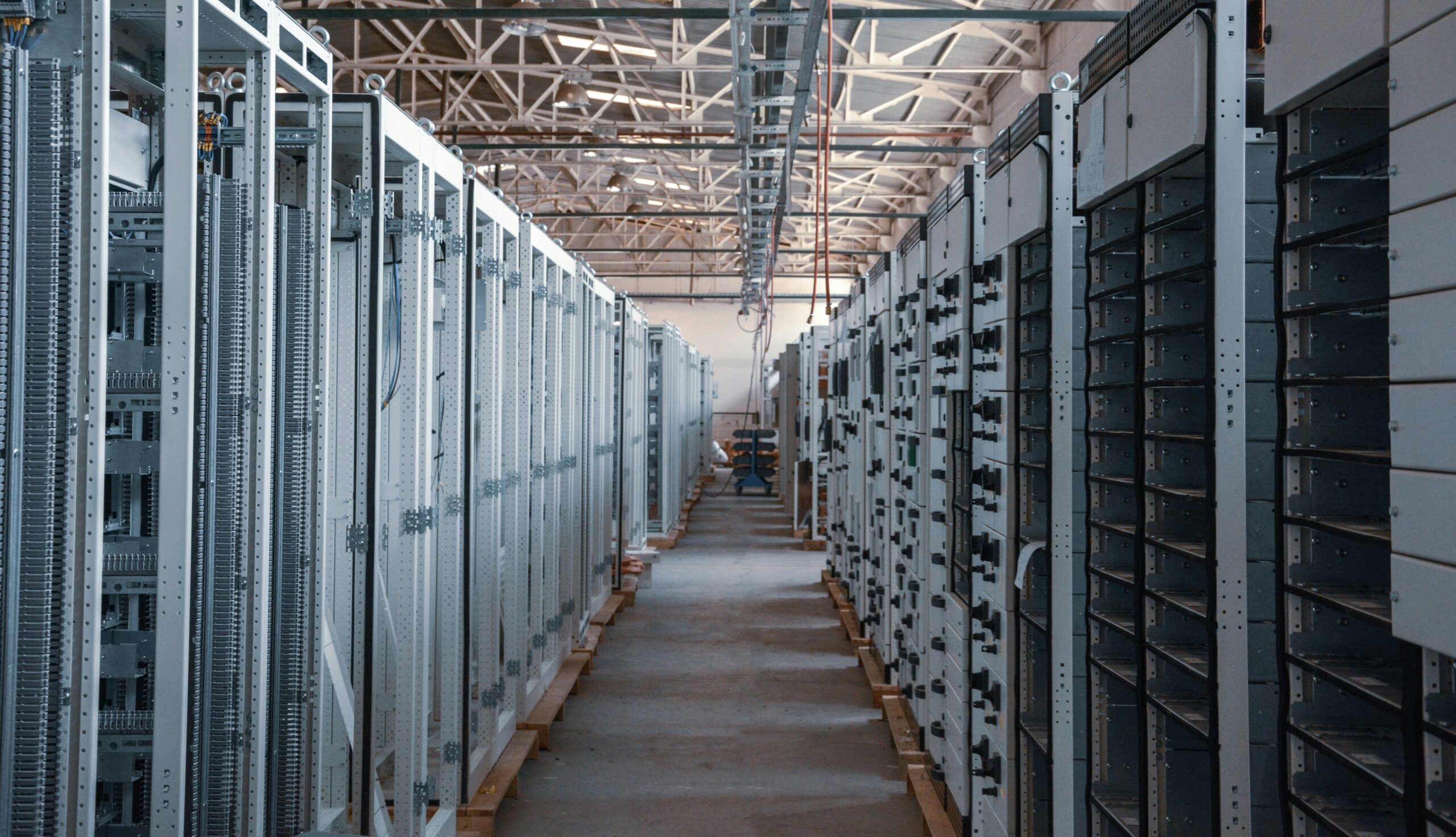
All internet data storage is housed in what are known as data centers; large warehouses containing servers and the network infrastructure necessary to process cloud computing, artificial intelligence (AI), and to keep the internet operational. Data centers have existed in some shape or form since the dawn of modern computing, and Michigan has been home to smaller centers for many years. However, as more industries and consumers begin to utilize AI and rely on the internet for work, school, and everyday life, the demand for cloud computing power has surged, and with it, the need for larger and more data center facilities.
Recent tax incentives from the State of Michigan aimed at attracting data centers to the state have resulted in the planned development of large-scale data centers across Michigan, including several in West Michigan. These recent proposals have entered the public consciousness and raised many understandable concerns regarding their construction and operation, including water and electricity consumption and noise and wastewater pollution. This issue is not limited to Michigan, as communities across the United States are looking for solutions related to data center development.
Where are Data Centers Locating?
Data center developers consider several factors when siting a potential development. These factors include, but are not limited to:
- Availability of high-voltage transmission lines
- Availability of high-speed communications infrastructure (fiber-optic cables)
- Large, contiguous tracts of land
- Municipal water and sewer infrastructure
- Relatively low property tax rates
While data centers can be located in cities with denser development, much of the recent interest has been focused on rural areas. In cities, large tracts of land are often difficult to come by, while rural areas tend to offer more of the five characteristics noted above, making them potentially attractive locations for data center development.